 Jung Nashville
Essay · November 27, 2026
The Shadow Is Overrated
Somewhere along the way, the Jungian concept of the shadow acquired a rather sinister reputation. It became the psychological equivalent of the monster under the bed—something dark and dangerous lurking just beyond the reach of consciousness. We speak of confronting our shadow, facing our demons, and descending into the darker regions of the psyche as though the work of becoming ourselves were a particularly grim undertaking.
I wonder if we haven't made too much of it.
The shadow is not necessarily the darkest part of us. It is the part of us left in the dark. There is an important distinction.
Much of what resides in the shadow was relegated there not because it was inherently destructive, but because it was incompatible with the conditions under which we learned to be loved. Early in life, we discovered which aspects of ourselves were welcome and which threatened our sense of belonging. We made accommodations. We became agreeable, responsible, accommodating, entertaining, or invisible. We learned to read the room long before we learned to read ourselves.
For some, what lies in the shadow is anger. For others, it is tenderness. It may be ambition, creativity, sexuality, spontaneity, or the simple capacity to say no without feeling guilty. For someone who has spent a lifetime caring for others, the most threatening thing in the shadow may be the desire to have a life of one's own.
There is considerable sadness in the realization that some of the most life-giving aspects of our personalities are the very things we have learned to fear.
I have come to think that much of what we call shadow work is really grief work. It involves coming into contact with the person we might have become had the circumstances of our lives been more hospitable to our becoming. It means acknowledging the price we paid for belonging and recognizing that the accommodations we once made may no longer be necessary.
Of course, there are destructive elements in the human psyche. Jung was right to insist that we acknowledge our capacity for cruelty, envy, greed, and aggression. But even these aspects of ourselves are better approached with curiosity and moral responsibility than with horror. Our fear of what we might discover within ourselves often exceeds the difficulty of what is actually there.
I also find something troubling about the contemporary fascination with shadow work. In a culture already obsessed with self-improvement, the shadow has become another psychological project. We are encouraged to excavate ourselves, uncover our hidden flaws, and undertake the seemingly endless work of becoming better people. Even our unconscious has become something to optimize.
But the purpose of shadow integration is not to become a better version of ourselves. It is to become less estranged from ourselves.
Perhaps we would benefit from spending less time imagining the shadow as a dark and foreboding place and more time wondering what has been living there all these years. What capacities have gone unused? What pleasures have gone unexplored? What parts of ourselves have been waiting for permission to participate in our lives?
As children, many of us were afraid of what might be hiding beneath the bed. The darkness let our imaginations fill the space with all manner of frightening things. Eventually, we summoned the courage to look.
Perhaps the great surprise of shadow work is that when we finally look beneath the bed, we discover not a monster, but someone we have been missing for a very long time.
Ourselves.
About the analyst
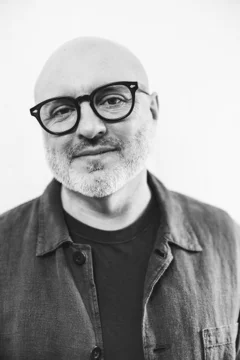
Tony Caldwell is a Diplomate Jungian Analyst (IRSJA, IAAP) and LCSW in East Nashville. Read full bio →